- HPLC Columns
- Close Menu ×
- C18 Columns
- Core-shell Columns
- C8 & C4 HPLC Columns
- HILIC HPLC Columns
- PFP & Phenyl HPLC Columns
- Bioseparation LC columns
- SEC HPLC Columns
- All HPLC Columns
- InertSustain C18 First choice for ultra-high inertness and high durability, delivering superior peak shapes with low back pressure.
- Inertsil ODS-3 Most popular C18, trusted for long-established methods, offering strong retentivity and high loading capacity.
- InertSustain AQ-C18 First choice for high-polarity compounds, delivering strong retention even under 100% aqueous mobile phases.
- Inertsil ODS-3V Validated version of ODS-3, designed for GLP/GMP compliance, ensuring batch-to-batch consistency.
- InertSustainSwift C18 Ultra-inert, fast-separation C18 for high-throughput LC-MS and LC-MS/MS with superior peak symmetry.
- InertSustain AX-C18 Mixed-mode C18 with anion exchange for strong retention of highly polar acidic compounds without ion-pairing.
- All C18 Columns visible-xs
- InertCore Biphenyl Core-shell biphenyl for UHPLC/HPLC with superior π-π selectivity and strong retention of aromatic compounds.
- InertCore C8 Core-shell C8 for UHPLC/HPLC with moderate hydrophobicity, enabling fast, efficient, reproducible separations.
- InertCore Plus C18 Core-shell C18 for UHPLC/HPLC with superior reproducibility, durability, and sharp peaks.
- InertSustain C8 Ultra-inert C8 column for rapid analysis of hydrophobic compounds with symmetric peaks across a wide pH range.
- Inertsil C8 Ultra-pure silica C8 column for rapid analysis of hydrophobic compounds, ideal for legacy methods.
- InertSustainSwift C8 Ultra-inert C8 column for low-polarity analytes, peptides, and oligonucleotides with optimized 200Å pore size.
- Inertsil C8-3 Strong retentivity, very inert, and low back pressure, based on the same silica and bonding as Inertsil ODS-3.
- Inertsil WP 300 Wide-pore C8 column for rapid, high-resolution separation of proteins and peptides with sharper peaks.
- Inertsil C4 Low-retentivity C4 column for rapid analysis of highly hydrophobic compounds like fat-soluble vitamins.
- All C8 & C4 Columns visible-xs
- InertSustain Amide First choice for HILIC mode, offering the strongest retention of polar compounds with superior stability in water-rich conditions.
- Inertsil HILIC Diol-bonded HILIC column for excellent peak shape and strong retention of highly polar basic compounds.
- InertSustain NH2 First choice for sugar analysis, offering superior stability, reproducibility, and compatibility with weakly acidic eluents.
- Inertsil NH2 Aminopropyl column for sugar analysis, highly retentive in normal phase with superior stability and reproducibility.
- ProteoSil HILIC Bioseparation-focused HILIC column, excelling in hydrophilic compounds, peptide, glycan, and oligonucleotide analysis.
- All HILIC Columns visible-xs
- InertSustain PFP A pentafluorophenyl-modified column designed for enhanced separation of structurally similar compounds through multiple retention mechanisms, including π-π, dipole, and hydrogen bonding interactions.
- InertSustain Phenyl A directly bonded phenyl group gives the InertSustain Phenyl column unique reversed-phase selectivity, ideal for separating polar compounds and structural isomers via π-π and hydrogen bonding interactions.
- InertSustain Phenylhexyl A phenylhexyl-bonded column that offers complementary selectivity to traditional alkyl-chain columns, providing high inertness, reproducibility, and low back pressure.
Get the Right Column for Your Compound — InstantlyWhat compound are you analyzing? - Sample Preparation
- Close Menu ×
- SPE Cartridges & Columns
- Spin Columns
- Proteomics Products
- InertSep QuEChERS kit
- Cleanup/Separating Bulks
- SPE Manifolds
- All Sample Preparation
- InertSep C18 Silica sorbent with high end-capping, ideal for lipid removal & pesticide residue analysis.
- InertSep C18-ENV C18 sorbent with low end-capping, optimized for water analysis & anionic surfactant removal.
- InertSep HLB Versatile SPE column for extracting non-polar to highly polar compounds, with a wide pH range (1-14).
- InertSep C8 Silica sorbent with octyl groups, offering weaker retention than C18 for highly retained compounds.
- InertSep SCX Silica-based SPE column with strong cation exchange and non-polar interactions for enhanced retention.
- InertSep SAX Monofunctional C18 sorbent with medium end-capping, allowing secondary interactions for versatile use.
- All SPE Cartridges & Columns visible-xs
- MonoSpin C18 High-permeability spin column for peptide desalting, drug extraction, and fast biological sample preparation.
- MonoSpin ProA Fast Protein A spin column for high-purity IgG antibody purification with >90% recovery.
- MonoSpin C18-CX Mixed-mode spin column with C18 and cation exchange for enhanced basic drug recovery.
- MonoSpin Phospholipid TiO₂/ZrO₂-coated spin column for efficient phospholipid removal and matrix effect reduction.
- MonoSpin SAX Strong anion exchange spin column for fast extraction of acidic drugs with high recovery.
- MonoSpin TiO TiO₂ spin column for phospholipid removal and organophosphorus pesticide purification.
- All Spin Columns visible-xs
- Exosome Purification
- Desalting
- Digestion
- Fractionation
- Phosphopeptide Enrichment
- Centrifuge Accessories
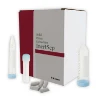 InertSep QuEChERS Kit High-purity extraction and cleanup kit for pesticide residue analysis in food and environmental samples.
Get the Right Column for Your Compound — InstantlyWhat compound are you analyzing? - GC Columns
- InertCap 1MS General purpose, Hydrocarbons, PCBs, High Volatile solvents, Phenols
- InertCap 1 General purpose, Hydrocarbons, PCBs, High Volatile solvents, Phenols
- InertCap 5MS/Sil General purpose, Halogenated compounds, Phenols, Pesticides, FAME
- InertCap 5MS/NP General purpose, Halogenated compounds, Phenols, Pesticides, FAME
- InertCap 5 General purpose, Halogenated compounds, Phenols, Pesticides, FAME
- InertCap 624MS Residual solvents of Pharmaceuticals, VOCs, Alcohols
- All GC Columns visible-xs
Get the Right Column for Your Compound — InstantlyWhat compound are you analyzing? - Instruments
 LD249 Gas Leak Detector Compact, easy-to-use leak detector with thermal conductivity sensor for fast, accurate gas detection. Replaces the LD239.
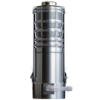 FM4: Air Sampler for PFAS Low-volume air sampler for PFAS enabling comprehensive analysis of both gas and particle phases in a single sampling using stage-optimized materials.
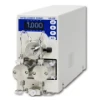 Intelligent Pump UI-32 Series Next-generation dual-plunger HPLC pump with ultra-low pulsation and automated pressure control for flow chemistry.
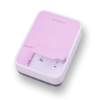 OralChroma Halitosis Measuring Device High-precision breath analyzer using gas chromatography to quantify VSCs in 4 minutes — fast, reliable, and maintenance-free.
- LD249 Gas Leak Detector Latest model replacing LD239, with thermal conductivity detection for helium, hydrogen, and other gases.
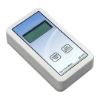 GF1010 Digital Gas Flowmeter Portable, volumetric meter for accurate GC gas flow measurement without gas selection.
- Intelligent Pump UI-32 Series Next-generation dual-plunger HPLC pump with ultra-low pulsation and automated pressure control for flow chemistry.
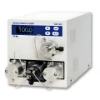 Intelligent Micro Pump MP-32 Series Compact micro pump with ultra-low pulsation and high-pressure stability, ideal for flow chemistry and precision dosing.
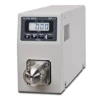 Auto BPR BP-11 Auto Back Pressure Regulator for the UI-22 Series, maintaining stable pressure for consistent flow.
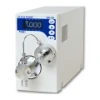 PCS Pump SP-32 Series Single plunger pump with real-time pressure control and low-pulsation flow—ideal for precise fluid delivery.
- All HPLC Pumps visible-xs
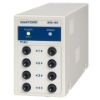 Gastorr AG Series Reliable, CPU-controlled degassing system for low-flow applications with independent chamber design.
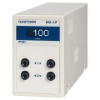 Gastorr BG Series High-performance degassing system with real-time vacuum display and independent chamber design.
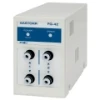 Gastorr FG-42 Solvent degassing system optimized for fluorinated solvents with real-time vacuum display.
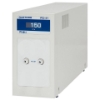 Gastorr PG Series High-flow degassing system for fractionating applications with real-time vacuum display.
- All Degassing Units visible-xs
- Accessories
- Close Menu ×
- HPLC Accessories
- SPE Accessories
- GC Accessories
- HPLC Tubing
- Filters
- HPLC Fittings
- Solvent Bottle Caps and Other Accessories
- Gradient Mixer
- Regulator
- IDEX Accessories
- HPLC Column Hardware and Other Accessories
- Vials
- SPE Vacuum Manifolds
- SPE Gravity Manifolds
- Cleanup/Separating Bulks
- Glass Chromatography Columns
- General SPE Accessories
- Applications & Industries
- Close Menu ×
- Featured
- PFAS Solutions Products and workflows for EPA and ISO-compliant PFAS testing in water, air, and soil.
- Flow Chemistry Solutions Integrated pumps and pressure regulators for continuous, high-temperature flow chemistry reactions.
- Life Science/Bio Products Spin columns and purification tools for antibody capture, protein cleanup, and bioseparation workflows.
- Gas/Air Sampling Equipment Sampling tools for capturing VOCs, aldehydes, and trace gases in environmental and industrial settings.
- Resources
- About
- Contact Us

Search
You have no items in your shopping cart.
- HPLC Columns
- Sample Preparation
- GC Columns
- Instruments
- LD249 Gas Leak Detector Compact, easy-to-use leak detector with thermal conductivity sensor for fast, accurate gas detection. Replaces the LD239.
- FM4: Air Sampler for PFAS Low-volume air sampler for PFAS enabling comprehensive analysis of both gas and particle phases in a single sampling using stage-optimized materials.
- Intelligent Pump UI-32 Series Next-generation dual-plunger HPLC pump with ultra-low pulsation and automated pressure control for flow chemistry.
- OralChroma Halitosis Measuring Device High-precision breath analyzer using gas chromatography to quantify VSCs in 4 minutes — fast, reliable, and maintenance-free.
- Accessories
- Applications & Industries
- Resources
- About
- Contact Us
HPLC Pumps
Browse FLOM's full range of compact, pulse-controlled HPLC pumps designed for stable solvent delivery in analytical, semi-micro LC, and flow chemistry workflows. Includes dual and single plunger models, with optional pressure sensing and auto backpressure regulation.
FLOM HPLC Pumps & Backpressure Regulators
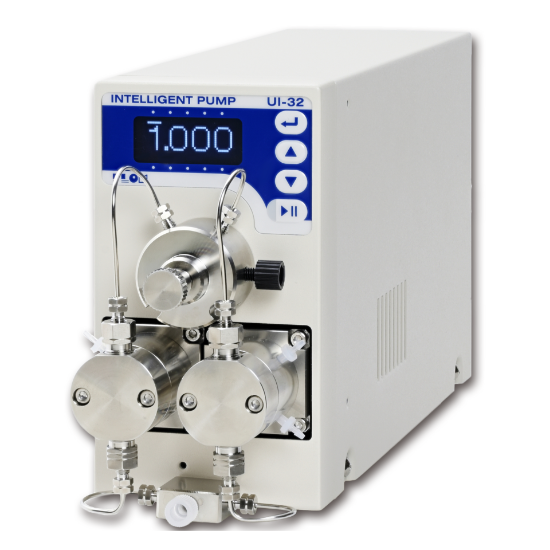
Intelligent Pump UI-32 Series
High-precision linear-drive pump designed to provide ultra-low-pulsation continuous flow. Real-time pressure control helps maintain stable flow for HPLC, flow chemistry, and analytical applications.
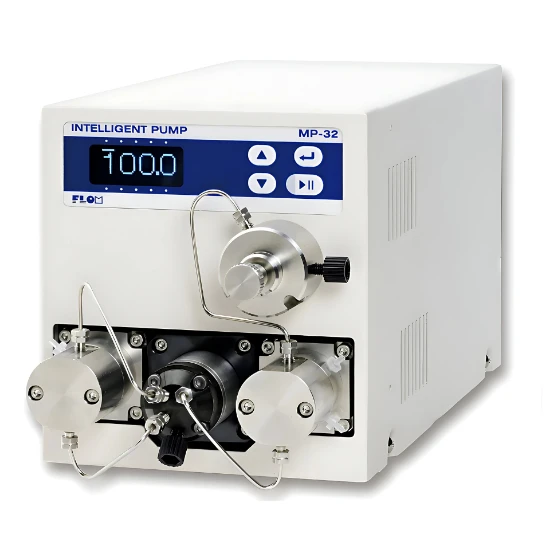
Intelligent Micro Pump MP-32 Series
Linear-drive micro pump designed for continuous low-pulsation flow in the micro-liter range. FLOM's switching-valve and linear-drive configuration helps reduce pulsing for stable low-flow delivery.
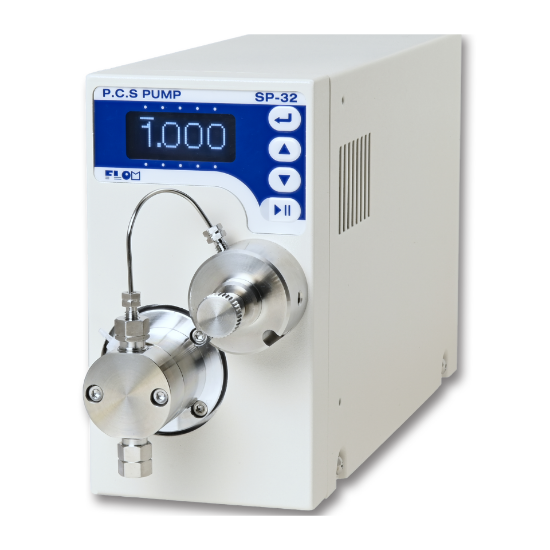
PCS Pump SP-32 Series
Cam-drive single plunger pump with pressure sensor, quick plunger motion for pulse control, and multiple flow range / pump head material configurations.
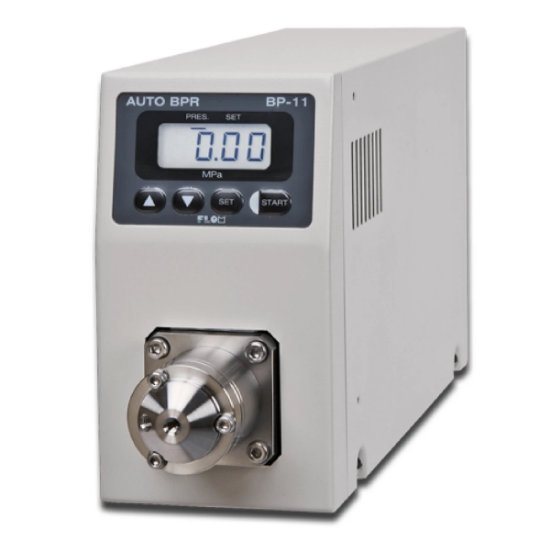
Auto Backpressure Regulator BP-11 Series
Auto backpressure regulator for UI and MP Series pumps. Tracks variable pump pressure in real time to help maintain set pressure during temperature and flow fluctuations.
Featured Application
Built for Flow Chemistry
Pair the UI-32 Intelligent Pump with the BP-11 Auto Backpressure Regulator for a compact flow chemistry setup with stable low-pulsation delivery and automated backpressure regulation.
- Dual-plunger design for low pulsation
- Integrated system for hands-free pressure control
- Automated backpressure regulation after the flow reactor
- Stainless steel, PEEK, and PCTFE flow paths available

UI-32 Intelligent Pump + BP-11 Auto Backpressure Regulator
HPLC Pump Accessories & Related Pumps

Selection Guide
How to Choose an HPLC Pump
FLOM plunger pumps are used for precise liquid flow control in HPLC, flow chemistry, and analytical applications. Use this guide to compare drive type, pulsation control, flow range, pressure capacity, and pump head material before selecting a pump series.
Plunger Pump Design and Features
FLOM plunger pumps come in two drive configurations: linear-drive for the UI and MP Series, and cam-drive for the SP Series.
Linear-Drive for UI and MP Series
In a linear-drive, the plunger moves along the same axis as the motor.
- Dual pump heads are individually controlled to provide lowest-possible pulsation.
- Long plunger stroke provides strong aspiration and discharge performance.

Cam-Drive for SP Series
A cam translates the circular motion of the motor into linear motion of the plunger.
- The spring load returns the plunger to generate aspiration of liquid.

Pulsation Control & Flow Range
FLOM offers a full lineup of plunger pumps for a wide variety of flow control systems and flow volume ranges. The selection chart positions the MP, UI, and SP Series by pulsation control and setup flow range.

| Pump Series | Best For | Drive Type | Flow Range | Max Pressure |
|---|---|---|---|---|
| UI-32 | Analytical HPLC, higher-flow solvent delivery, stable continuous flow | Linear-drive dual pump-head design | 0.001–99.99 mL/min depending on model | Up to 40 MPa |
| MP-32 | Micro-liter flow delivery, low-flow solvent control, stable low-flow applications | Linear-drive micro pump | 0.1–500.0 µL/min | Up to 40 MPa |
| SP-32 | Single-plunger delivery, wider setup flow ranges, general fluid control | Cam-drive single plunger | 0.001–50.00 mL/min depending on model | Up to 35 MPa |
Exact flow range and maximum pressure depend on the specific model selected within each pump series. Maximum pressure values are sustained intermittently and do not indicate the maximum pressure for continuous use.
Pump Head Material
Pump head material selection depends on pressure requirements and solvent compatibility. FLOM offers stainless steel, PEEK, and fluoropolymer options depending on the pump series and application.
SUS / Stainless Steel
Best for high-pressure applications and broad chemical resistance.
PEEK
Best for metal-sensitive applications and solvents that may corrode metal components.
Fluoropolymer
Best for highly inert wetted surfaces where lower pressure is acceptable.
*1Depends on device. Material availability varies by pump series.
Open each section to compare drive design, flow range, pressure, and pump head material.
HPLC Pump Overview
How HPLC Pumps Work
High-performance liquid chromatography depends on controlled movement of the mobile phase through the system. The HPLC pump, also called the solvent delivery system, moves solvent through the flow path and column at controlled flow and pressure so the method can run consistently.
For reliable chromatography, an HPLC pump needs to provide stable flow, withstand system pressure, minimize pulsation, and remain compatible with the solvents used in the method. These requirements are especially important in analytical LC, micro-flow delivery, flow chemistry, and other applications where small changes in flow or pressure can affect method performance.
FLOM's pump lineup is based around plunger pump designs, with different drive types, flow ranges, pressure capabilities, and pump head materials depending on the application.
What Is an HPLC Pump and What Is It Used For?
An HPLC pump is the part of the system that delivers mobile phase through the HPLC column. It must move solvent at a controlled rate while working against the pressure created by the column, tubing, fittings, and other system components.
In practical terms, the pump helps determine how stable the method will be. A well-matched HPLC pump supports:
- consistent solvent delivery
- stable flow rate control
- reduced pulsation
- compatibility with common HPLC solvents
- reliable operation under pressure
- controlled delivery for analytical and liquid-control workflows
When selecting a pump, the key question is not only "what pressure can it reach?" The better question is whether the pump can provide stable flow at the required flow rate, pressure range, solvent compatibility, and application conditions.
Common HPLC Pump Types
Several pump designs are used in chromatography and laboratory fluid-control systems. The most common pump types discussed in HPLC education include syringe pumps, piston pumps, plunger pumps, and roller pumps. They are not equally suited for every HPLC application, so the pump type should be matched to the pressure, flow, and solvent-delivery requirements of the method.
Syringe Pumps
A syringe pump uses a filled chamber that is pushed by a motor. Because the chamber is sealed and limited in volume, a syringe pump can only deliver a fixed amount of solvent before it must be refilled. This makes syringe pumps useful in some compact or specialized setups, but less practical when continuous solvent delivery is required over longer runs.
Piston Pumps
A piston pump is a reciprocating pump with an intake and discharge cycle. It uses a piston to draw solvent into a chamber and then compress it through the outlet. Piston pumps can generate high pressure and are common in chromatography, but reciprocating motion can introduce pulsation unless the pump design includes features to reduce flow fluctuation.
Plunger Pumps
A plunger pump is also a reciprocating pump, but it uses a plunger rod rather than a piston head to compress liquid inside the pump head. In a plunger pump, the seal is stationary, which can reduce friction and wear compared with some piston-style designs.
For HPLC and controlled solvent delivery, plunger pumps are often used when stable flow, high-pressure operation, and controlled liquid delivery are required. FLOM's HPLC pump lineup uses plunger pump designs across the UI, MP, and SP Series.
Roller Pumps
A roller pump moves liquid by compressing flexible tubing with rotating rollers. Because the liquid only contacts the tubing, roller pumps can be useful for simple transfer or basic pumping applications. However, they generally operate at much lower pressure than HPLC plunger or piston pumps, so they are not the main pump type for high-pressure HPLC solvent delivery.
×
Applications -
Close


| Application | Code | Category | Compounds |